Understanding the Stages of a Bed Bug’s Life Cycle
Bed bugs are a bad sight in any home. Knowing more about their biology, life cycle, and behavior can make it easier to identify a potential infestation and take action before the problem gets worse. Let’s explore the stages of a bed bug’s life so you can better protect your family from these pests.
Introduction to Bed Bug Biology 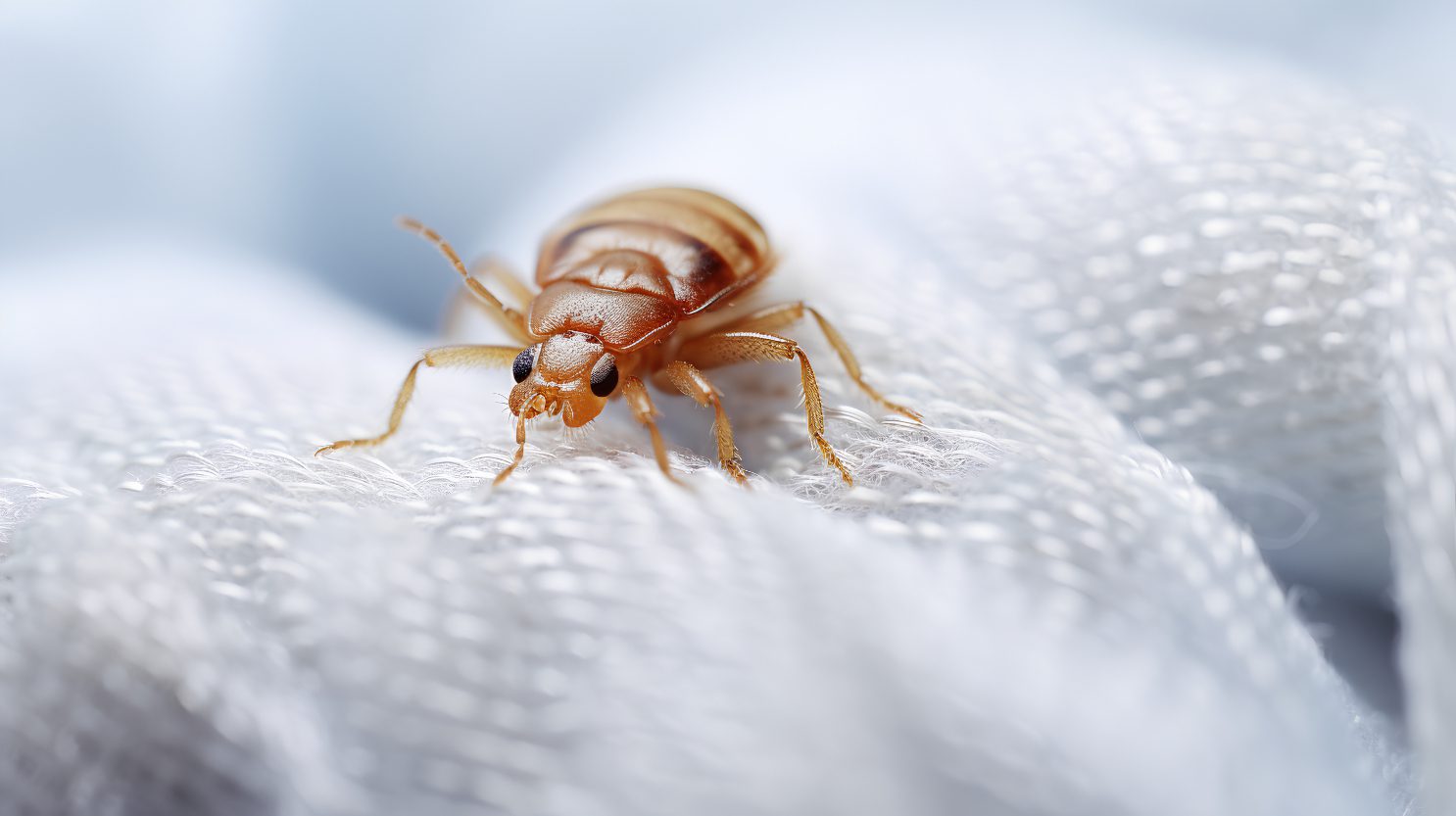
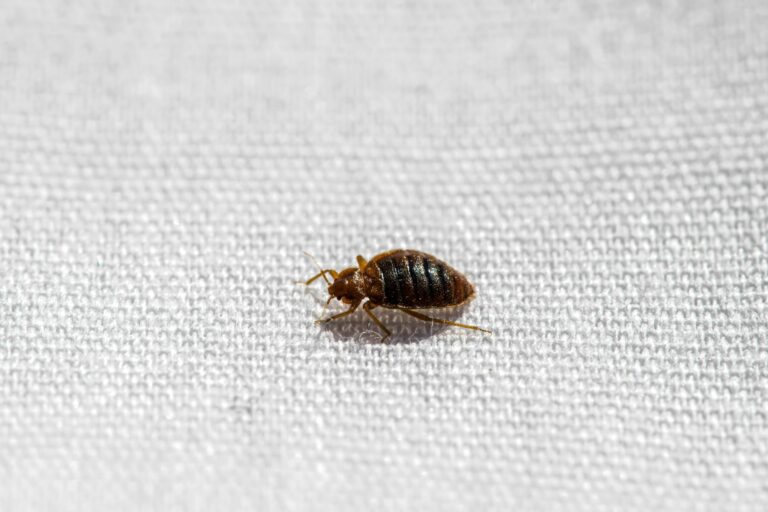
Before we dive into the stages of a bed bug’s life, it is important to have a basic understanding of bed bug biology. Bed bugs are brownish-red in color and measure around 5mm long when fully grown. While they typically hide during the day, they come out at night to feed on sleeping humans or pets.
Identification of a Bed Bug Infestation
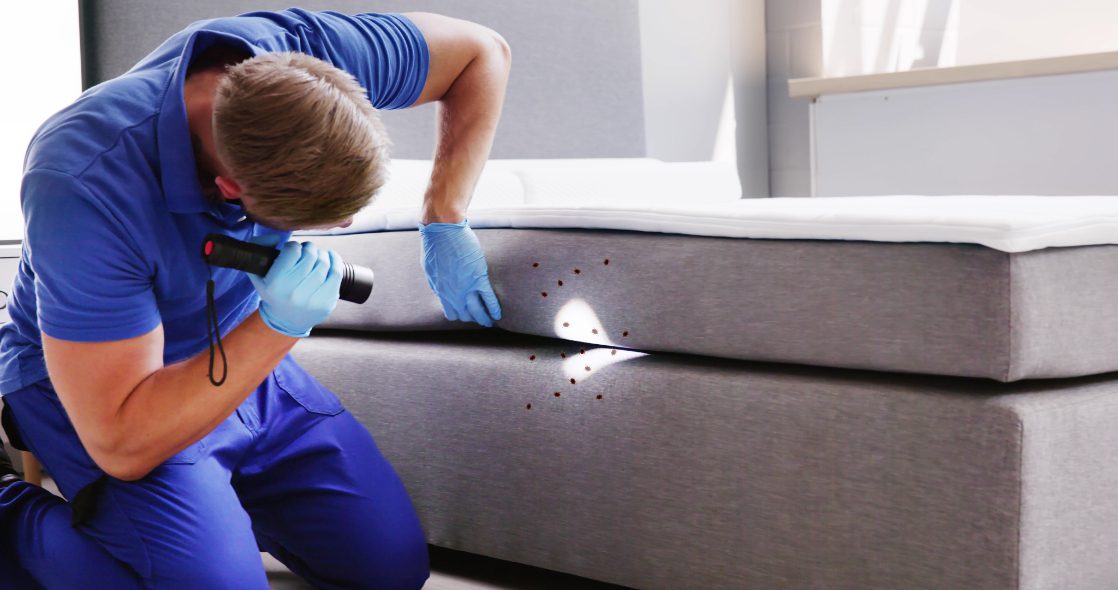
The best way to identify bed bugs is by looking for signs that indicate an infestation, such as small red marks on your skin after waking up, dark spots (bed bug excrement) on sheets and pillowcases, or tiny white eggs tucked away in crevices or cracks near your mattress. If you suspect you may have bed bugs, contact a professional pest control company right away.
The Life Cycle of the Bed Bug
Once identified, it is important to understand the life cycle of the bed bug so you can effectively eradicate them from your home. A bed bug’s life cycle consists of five distinct stages: egg, nymph (immature), adult (fully grown), and mating/egg laying cycles. Each stage lasts roughly two weeks depending on environmental conditions such as temperature and humidity levels in your home.
Understanding Egg Laying and Hatching Cycles
Female bed bugs typically lay between one and five eggs per day for a total of about 200 over their lifetime. The eggs hatch within seven to 10 days; however, this time frame can be longer if temperatures are cooler than normal or if there is not enough food available for the developing nymphs (immature bed bugs). The nymphs will molt several times before reaching adulthood which takes another week or two depending on environmental conditions such as temperature and humidity levels in your home.
The Behavior of Adult Bed Bugs
Adult bed bugs will mate multiple times during their lifetime resulting in more eggs being laid which eventually hatch into nymphs again completing the cycle once more. Adult bed bugs typically feed every five to ten days but may go longer without feeding if food sources are limited or not available at all resulting in fewer eggs being laid each cycle until they die off due to lack of sustenance or other environmental factors such as high temperatures or dry conditions which inhibit reproduction cycles altogether until conditions become more favorable again allowing them to resume their reproductive activities once more.
 It is important to understand how quickly a single female bedbug can reproduce if left unchecked—in just three months she could lay hundreds of eggs leading to an infestation that could spread throughout your entire home if not caught early enough! By understanding the biology, identification methods, lifecycle stages, and behavior patterns of these pests you can better prepare yourself against an invasion should one occur in your own residence! Taking preventative measures can help keep any potential infestations from becoming an unmanageable problem down the road! With knowledge comes power—so use yours wisely when it comes to protecting yourself from these pesky critters!
Bed Bug Barbeque Toasts Bed Bug Infestations
Are bed bugs infesting your home? Don’t wait any longer—call Bed Bug Barbeque today and take proactive steps to get rid of bed bug infestations. Our experienced bed bug treatment technicians can eliminate bed bugs quickly and efficiently, saving you time, money, and hassle. Plus, we use safe and eco-friendly methods to ensure the bed bugs are gone without any risk of harm to you or your home. Contact us today and let’s get started on eliminating bed bug infestations!